Book · 0
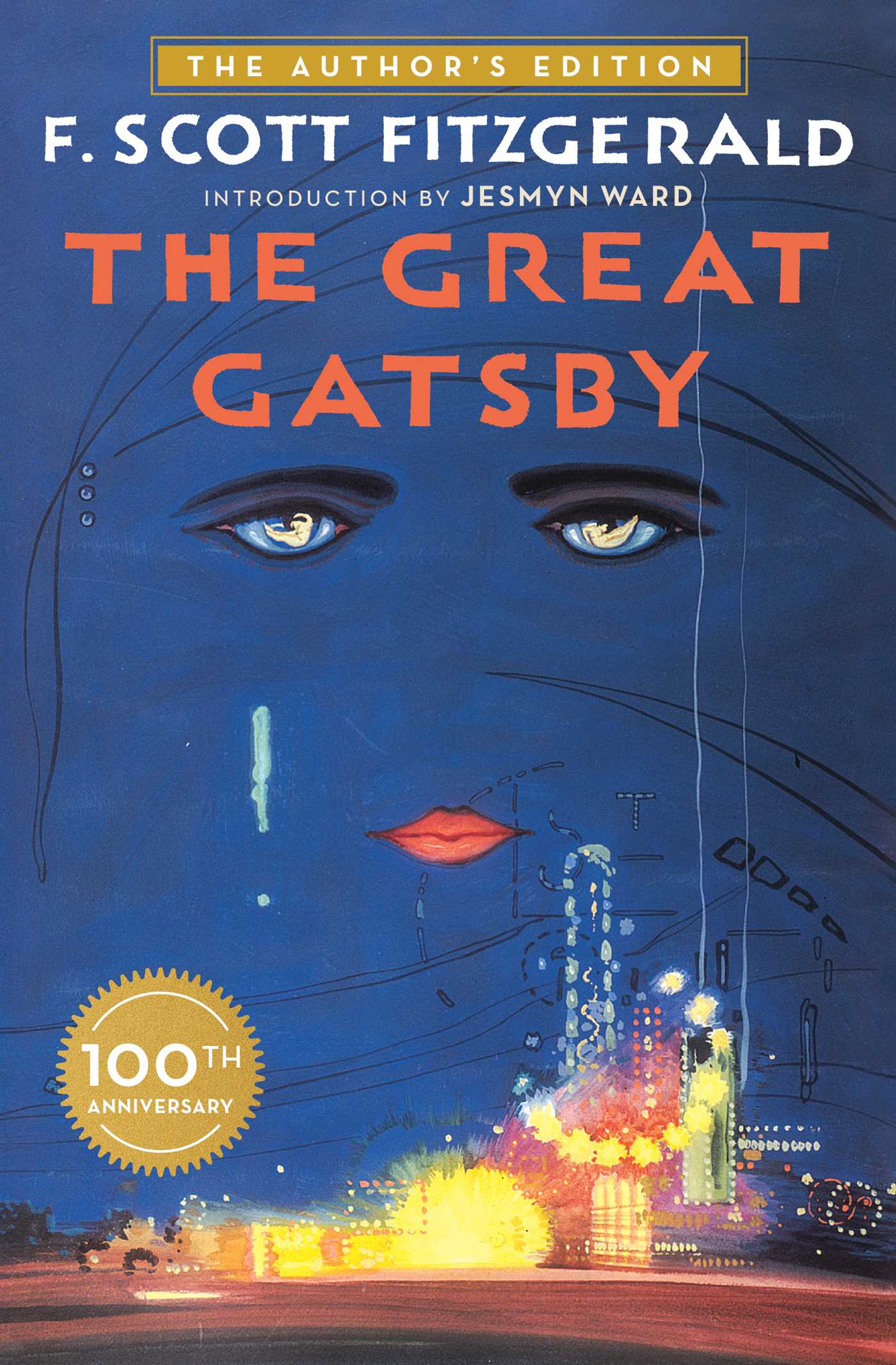
The Great Gatsby
by F. Scott Fitzgerald
Nick Carraway narrates the story of millionaire Jay Gatsby’s obsession with the married Daisy Buchanan during the Jazz Age.
Concern Level
Extreme
Virtue Level
Thin
Concern Level
Extreme
Virtue Level
Thin
Things to consider
Higher = more presentOn-page adultery occurs alongside references to long-standing mistresses and sensual descriptions of physical attraction.
The story features a graphic hit-and-run death and a murder-suicide involving a gunshot.
Moderate use of social profanity and period-specific insults occur throughout the dialogue.
Characters occasionally use the Lord's name in vain as an exclamation or during heated arguments.
Illegal alcohol consumption, bootlegging, and frequent public drunkenness are central to the social setting.
The narrative concludes with a character committing a murder followed by a self-inflicted gunshot.
A gruesome scene describes a body damaged by a car accident in a desolate area.
There is a brief reference to a fortune teller during a party scene.
Ambiguous subtext regarding Nick Carraway's feelings has been interpreted by many modern scholars as homoerotic.
The book explores cynical hedonism, moral relativism, and the emptiness of the American Dream.
God is metaphorically replaced by a billboard; religion is absent or portrayed as socially irrelevant.
Virtues to celebrate
Higher = stronger presenceCharacters generally prioritize self-interest and status over sacrificial bravery.
Biblical faith is absent, though Gatsby’s pursuit of Daisy is described with quasi-religious devotion.
True self-giving love is missing, replaced by obsessive infatuation and transactional social bonds.
The characters exhibit a lack of repentance and the wealthy simply retreat into their money.
We may earn a small commission from purchases — it never influences scores.